Individuals with deep ties to their communities often want to see it get better. As local journalism looks to diversify its storytelling and audience, news leaders have an opportunity to identify and create more on-ramps. And as communities across the country struggle with belonging and social isolation, such innovations might nurture a greater sense of civic involvement.
When local newsrooms give people the tools and platforms for creative storytelling, they can also start building trust and supporting the creative and cultural health of their communities, too.
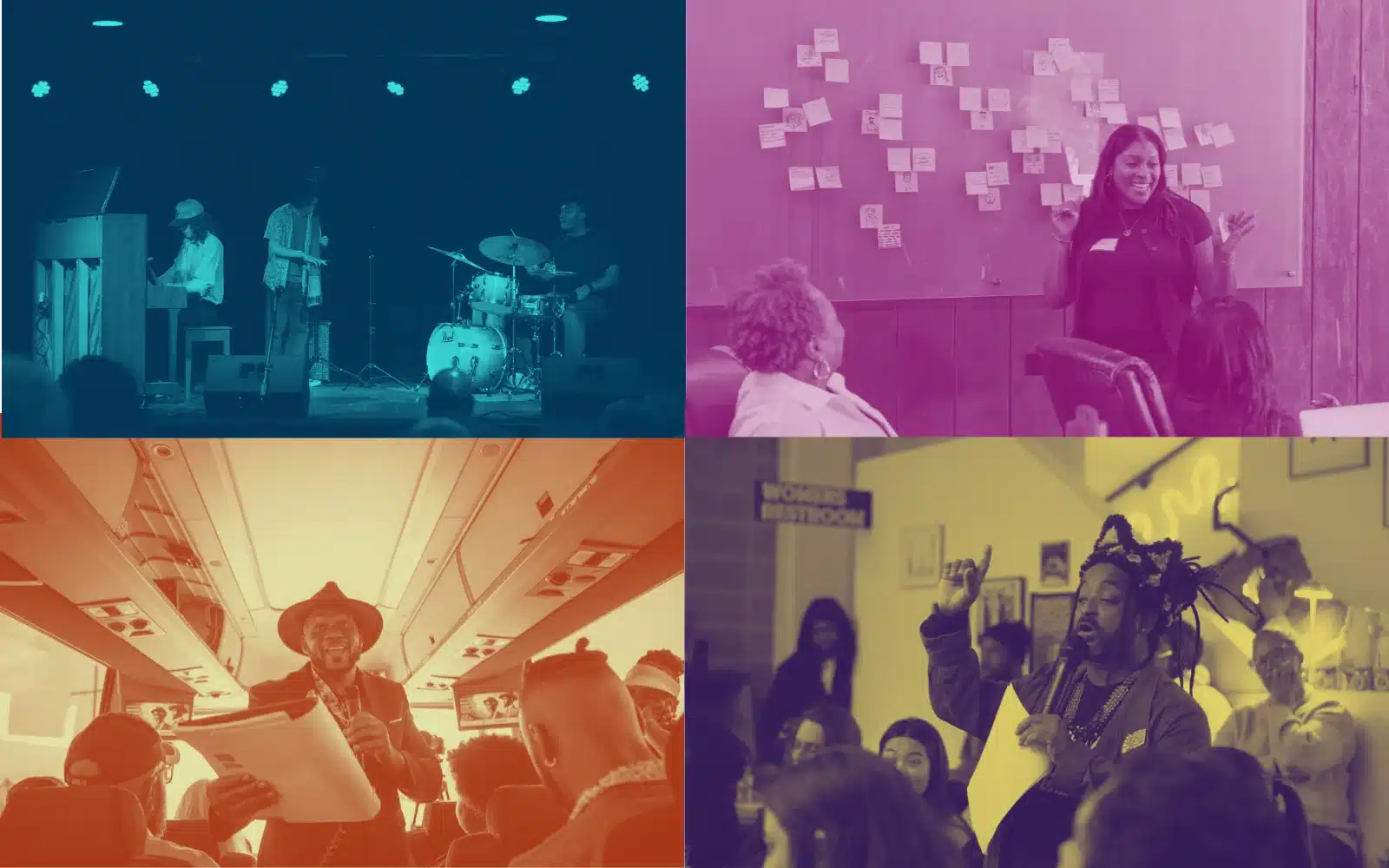
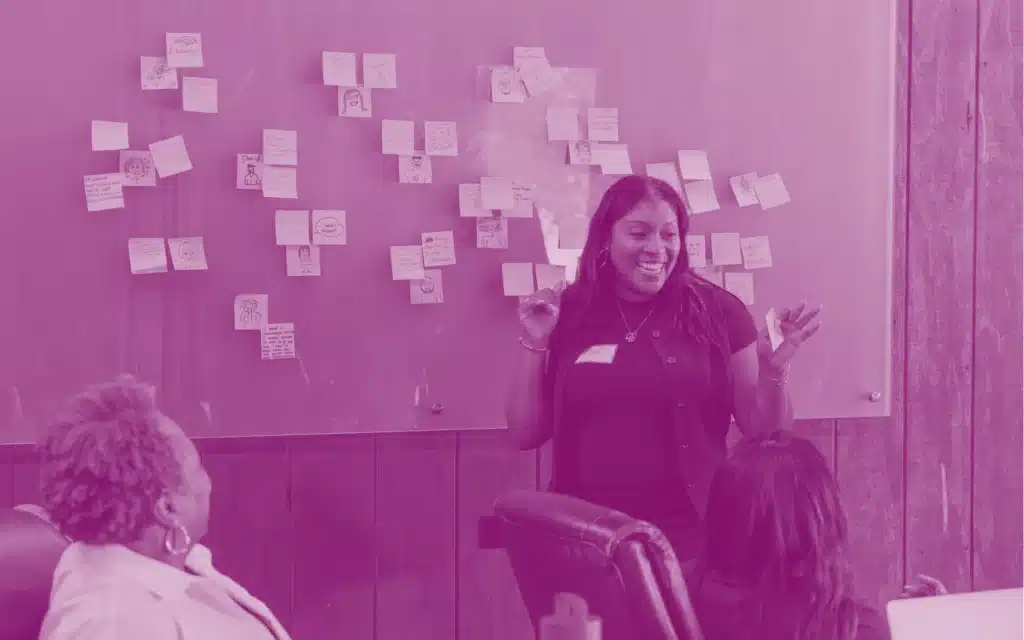
We heard many ways newsrooms are doing just that at our recent API Local News Summit on Inclusion, Belonging and Local Leadership. We gathered news leaders in Washington, D.C. who spoke with one another about ways they are training and making space for trusted messengers to tell their stories in nontraditional ways that also showcase the arts, humanities and cultures unique to the community being covered.
We asked four summit participants to share more about the ways they are empowering communities with skills and opportunities to have influence in their local news ecosystem:
- When a community learns to tell its own stories, we all benefit. The War Horse holds writing seminars for military personnel and their families, offering a trauma-informed way for them to be the experts of their own stories and join the civic conversation.
- How journalism and storytelling give residents tools to preserve their own experiences and pasts. StoryWorks built a curriculum of narrative storytelling, research, oral history collection and event planning to produce vibrant, community-led explorations of Mississippi Delta history in response to the cultural extraction of the community’s history.
- Use poetry to share hope and convene journalists and community members. AL.com partnered with local creatives, including Birmingham, Ala.’s poet laureate, to hold a community event that helped people connect with other residents who had a positive vision for Birmingham.
- Arts, culture and outreach: Hiring local leaders to connect with communities. The 51st in Washington, D.C. partners with D.C. natives to serve as local experts, both as cultural event facilitators and community liaisons.
Gratitude goes to the John S. and James L. Knight Foundation for supporting our API Local News Summit on Inclusion, Belonging and Local Leadership. Their support expands public-facing resources like these we can make from this gathering.
To learn more about supporting future API Local News Summits of news leaders, or if you’re curious about API’s work on Community Engagement and Trust more broadly, please contact us.
Share with your network
4 ways to partner with community expertise and talent to strengthen local journalism

You also might be interested in:
We have an opportunity to facilitate civic discourse within our communities in a way that’s mutually beneficial. But if we don’t do this work thoughtfully — if we show up with a rigid agenda and our own goals — it can cause more harm than good.
Case studies, like the ones in our 2025 impact report, are an opportunity to highlight those findings and spotlight some of the organizations that have partnered with API to collaborate, innovate and advance solutions for their communities.
When local newsrooms give people the tools and platforms for creative storytelling, they’re also building trust and supporting the creative and cultural health of their communities. Here's how for news leaders did just that.


