Last winter, in preparation for the growing season ahead, I laid new mulch around my raised beds so that, come summer, I could easily watch the plants grow, prune lower leaves, check soil moisture and adapt in other ways my garden needed.
But in June, some cherry tomato volunteers started poking through the gaps in the mulch. With the sun and steady rain, they seemed to grow inches a day and began to take over one of my tidy raised beds. Certainly, there would be a bounty of tomatoes, but I could barely see my beloved strawberry patch.
What’s a half tidy, half wild garden got to with local news impact tracking?
As I reined in those tomato vines, I saw some parallels with how our news organization, NC Local, has started, tended and adapted our impact tracking.
Get started with something, even if it’s messy at first
NC Local is a statewide newsroom that helps people understand how government policies and decisions affect their everyday lives. Last fall, a few months into building a team, we were doing things many newsrooms do: sharing early wins through forwarded emails and Slack messages, dropping testimonials into a shared doc and using a spreadsheet to track republication of our work.
We recognized all these various formats and places for documenting impact weren’t really serving us well — it’s hard to tell your impact story to the public and funders if all the pieces are living in different places. But there were bigger questions we were asking:
- How do we know we’re reaching the people we aim to serve?
- Where are we reaching people?
- When we do reach people, are we meeting their needs?
- If we are filling information needs, what are people doing next?
- How do we know if we’re building relationships, trust and connection?
While we do track traditional metrics, we also wanted to understand deeper impacts of our work. Asking some of these fundamental questions helped us realize we needed to manage the influx of feedback and data, which might be crowding out other signals of impact — we needed to rein in some of that messy garden.
A strong framework = a strong foundation
We were fortunate to come across an opportunity with Impact Architects for a six-week “Media Impact 101” training and joined a cohort of five newsrooms at the beginning of this year. (They plan new cohorts in early 2027, but you can also access the platform and tools for free here.) One of the most important — and deceptively challenging — first steps was developing our impact framework. What did we want to track? Who did we want to impact? What kind of outcomes did we want to see? What indicators or signals would we look for?
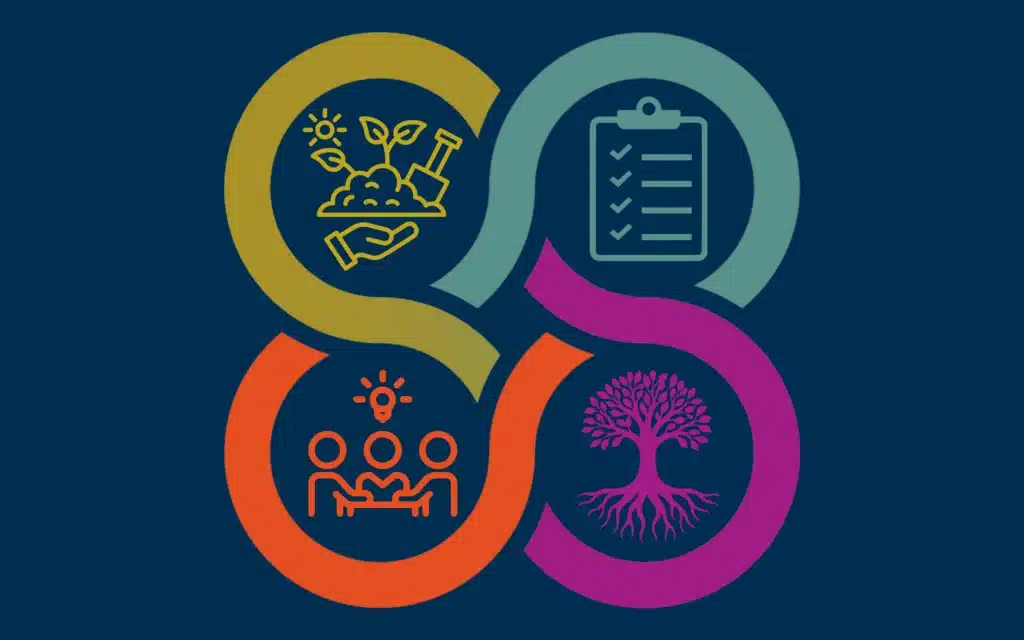
We were encouraged to think big, but realistically. From a much longer list of possibilities, we narrowed things down to four areas of impact and two key questions for each.
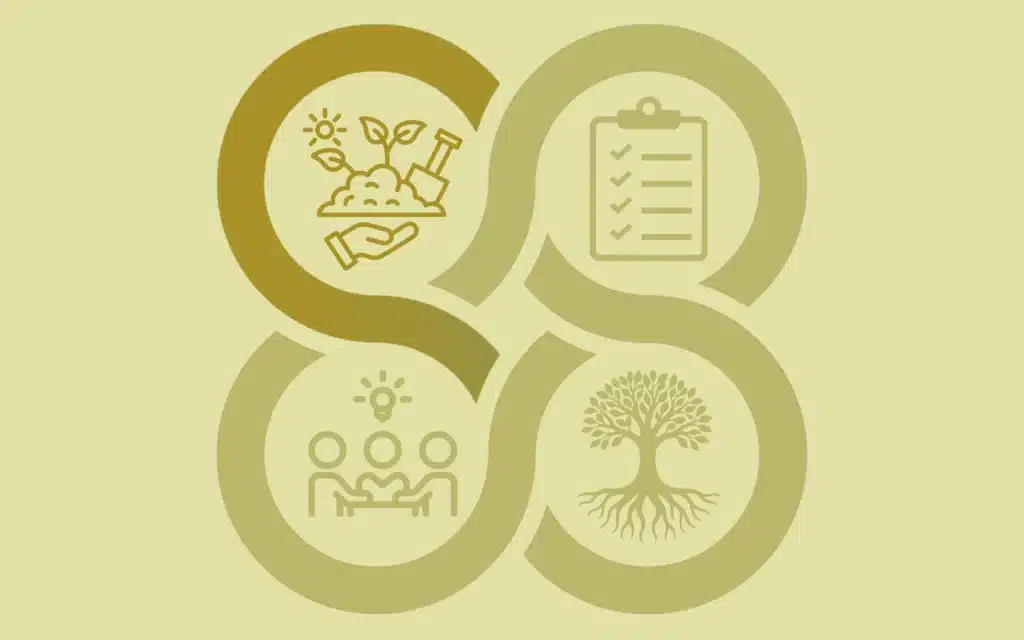
Audiences/individuals
- Increased trust: To what extent does the audience view NC Local as a trusted and identifiable source of local journalism?
- Signals: Growth in newsletter signups, growth in social platform audience, event attendance, anecdotal feedback, individual donations
- Increased knowledge: Are individuals gaining a clearer and easier understanding of how statewide policies affect their daily lives?
- Signals: Newsletter engagement, newsletter clickthroughs, survey of most engaged newsletter readers, anecdotal feedback
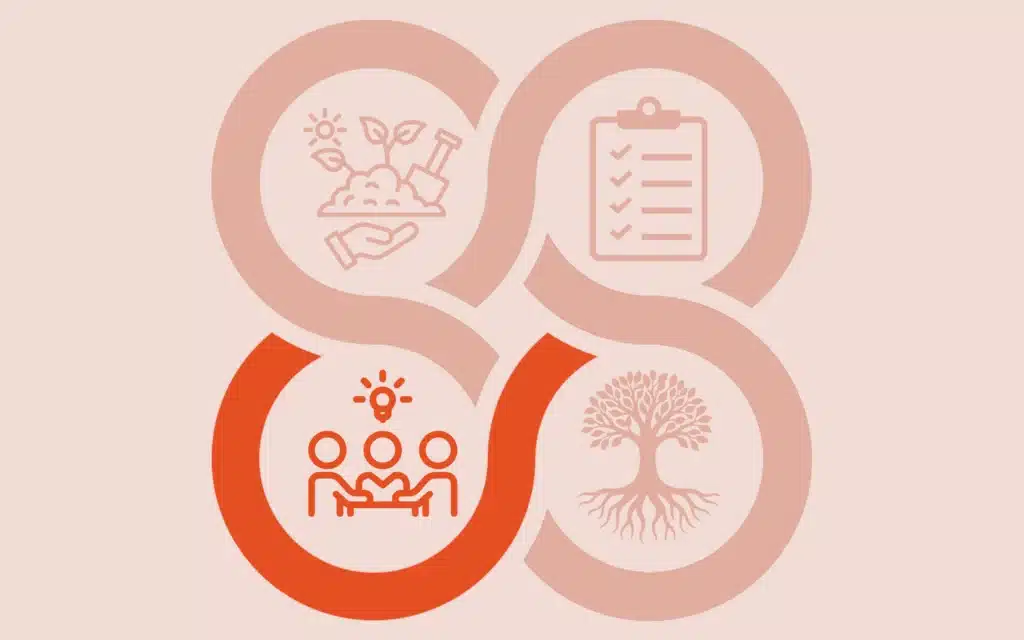
Communities
- Increased use of NC Local journalism: Are community members using our content or resources to collectively take action?
- Signals: Content cited by community groups, content used in community reports or presentations, content cited at local or state government meetings
- Strengthening of relationships: Are we helping create or strengthen relationships between local news and community organizations?
- Signals: Participation in collaborative events, new relationships forming or existing relationships strengthening because of those events (measured through post-event surveys)
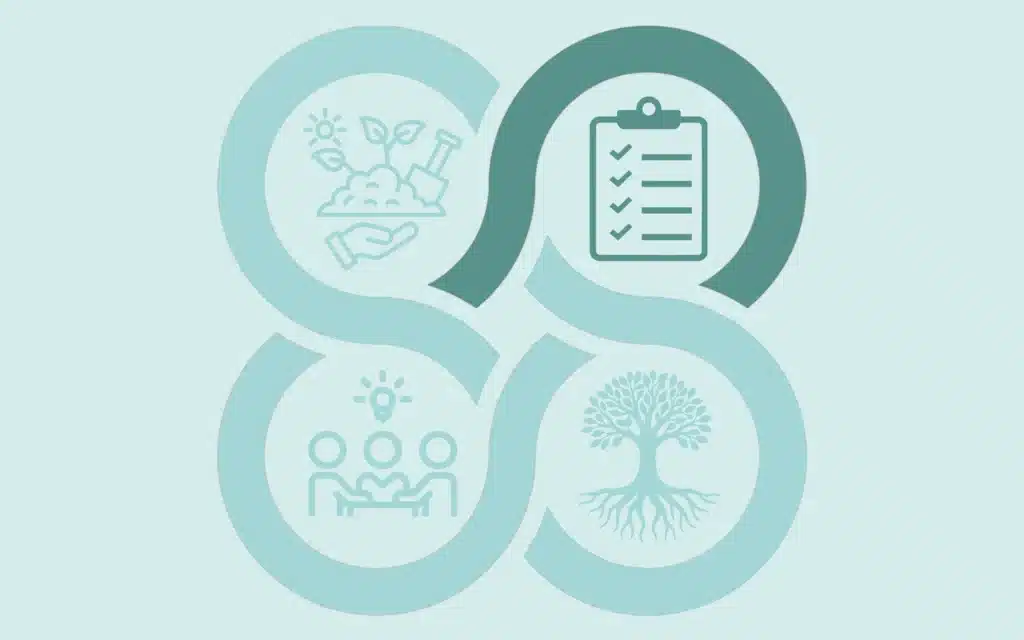
Institutions
- Increased engagement: Are we perceived as a respected and authoritative source of information by people in power?
- Signals: Government/institutional officials are subscribing to our newsletters, amplifying or citing our work and coming to our events
Media and community amplification
- Republication: Is our content being widely republished by a diverse array of media partners across different geographic areas?
- Collaboration: Are we forming new, collaborative partnerships to execute projects and events within the media ecosystem?
- Signals: A growing diversity of news and information organizations are engaging with us, republishing our work, partnering on projects and events and valuing what we provide.
Reviewing my notes when we developed the framework, I jotted down, “This is hard!” That was especially true when working through different outcomes for individuals and communities. We wanted both to be more informed and more engaged because of our work.
What helped us pinpoint differences was outlining specific signals we might see. With individuals, we’d look for behavior change: are they opening our newsletters each week? Does our reporting help them understand or take action on issues? With communities, we’d observe if our work was cited by community groups in reports, presentations or public comment at government meetings. It took us about two weeks to define these signals, but it helped our team get on the same page about what impact areas we were going to prioritize.
Our impact framework now lives in a spreadsheet and outlines the types of signals/indicators we’re looking for in each category. The document also includes concrete examples from NC Local’s experiences so far, helping make some of these abstract definitions more concrete.
This structure gives all types of impact equal visibility to be monitored and tended to.
Shared purpose, shared responsibility
The Impact Architects toolkit includes a customizable Google form to track the impact you’ve defined in your framework. That feeds into a Looker Studio dashboard so you can visualize and sort your data. (See an example of that here.)
But tools, whether for your garden or capturing impact, won’t get used if people don’t know what they’re for, how to use them and when to get them out.
We knew it would benefit our organization to weave impact tracking into the culture of our newsroom. It keeps everyone aligned on our North Star and strategic goals, and helps capture more of the signals we need to measure our impact.
Our initial system, which we’ll continue to refine and adapt, includes an onboarding for all staff. We have a cheat sheet with links to our framework, intake form and dashboard that also uses a Purpose, Outcome, Process approach to sharing why we’re tracking impact, what we’re doing with the information and how we’re capturing it. We also added an FAQ driven by questions from staff.
While we encourage the team to record signals as they see them, we also added two other touchpoints to make sure we’re building our impact tracking muscles:
- A biweekly, 30-minute “team tracking” virtual meeting
- A Slack channel to share (and celebrate) impact, ask questions and motivate each other
As we build capacity with our team, there are other things we’d like to try: monthly reports, experimenting with automations and perhaps even expanding our current system to also capture what we’re hearing from community listening.
Learning from your impact harvest
Coming back to our garden metaphor, we built a foundation, brought in helpers, cleaned up the overgrowth and are now seeing the fruits of our work.
But like any good gardener, we’re not just holding up a few of the perfectly shaped tomatoes for all to admire. We’re asking: what could we have done to yield a better crop?
When I gathered with other leaders at the API Local News Summit on Measuring Impact for Civil Discourse in June, an important part of the two-day event was understanding that impact shouldn’t stay boxed up in a dashboard, only pulled out for board meetings or your annual report. You need to spend time studying it, paying attention to changes and using the signals you’ve gathered to learn:
- How can we adapt?
- How can we allocate resources better?
- How can we avoid repeating ineffective strategies?
- How can we identify opportunities more easily?
- How can we make smarter investments in our mission?
As NC Local prepares for year two of our newsroom, we’re integrating these questions and other approaches we learned from peers at the API Summit. One example is CalMatters’ workflow of weaving impact strategy into the editorial process, asking “What impact do we want to have?” before content is published and distributed.
We’ll revisit our framework to ask if there are other areas we should be tracking and signals to look for. We’ll get input from our staff about how we can improve workflows. We’ll experiment with how we’re using impact to tell NC Local’s story to different audiences. And we’ll look for new ways to bring communities into our impact process, helping us get better at serving them.
Just like our garden, the process will get messy at times, change with the seasons, and in some years produce less fruit. And that’s okay, because impact is a living, evolving thing once it becomes part of your culture.
Catherine Komp is NC Local’s engagement director, where she leads collaborative initiatives and projects including our partnership network, community listening and storytelling events, our annual NC News & Information Summit and weekly ecosystem newsletter The Hub.