
The signs that local news organizations add civic value and engagement to community life — that they make civic conversation and decision-making better — are often subtle. These signals can show up in community actions and behaviors: repeat participation, increased questions and/or comments, public use of the journalism and community-led initiatives spurred by reporting.
Moreover, these signals add up to something deeper: the strength of the relationship between a newsroom and the community. Though difficult to see and at times more difficult to measure, these and similar behaviors determine whether a news organization becomes essential to the community it serves. So how do we measure what our journalism changes — especially those signals that occur before quantitative outcomes?
That’s one of the themes we explored at the API Local News Summit on Measuring Impact for Civic Discourse. We gathered news leaders and non-news experts in Pittsburgh to discuss how to identify and measure signals of impact beyond the usual KPIs, and how to turn that information into better newsroom decisions.
We asked four summit participants to share more about the ways they are defining, measuring and acting on signals of impact:
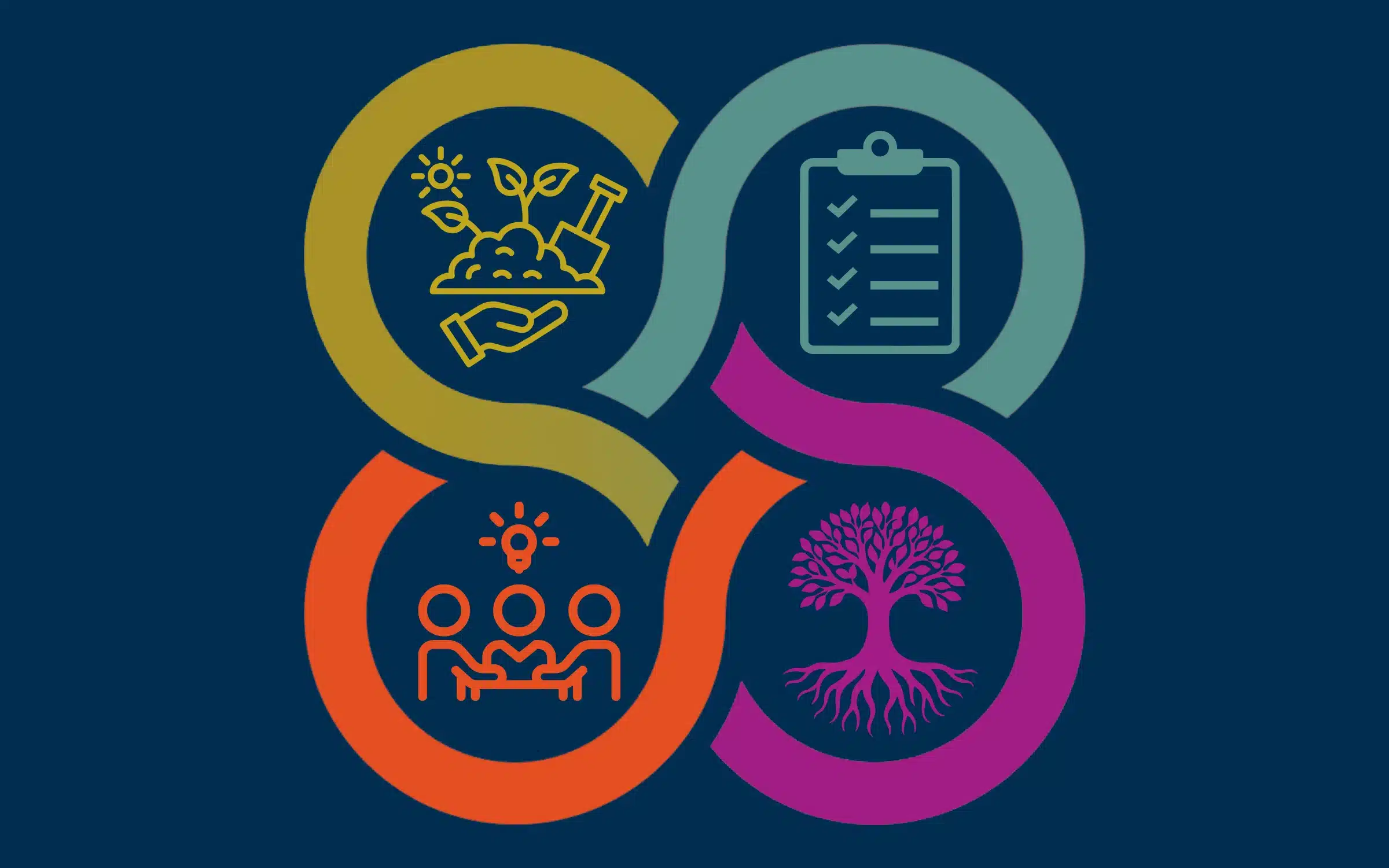
- What gardening can teach your newsroom about developing a culture of impact. Gathering a lot of impact data can give you more to work with, but all that information can have you feeling in the weeds. Catherine Komp shares how NC Local got started with a strong framework that allowed them to harvest the most useful data.
- We built civic action boxes for readers. They became our impact data. Planet Detroit found a valuable and reliable impact metric in their existing civic engagement tool. Nina Misuraca Ignaczak details how to measure impact in the ways you’re already engaging readers.
- How CalMatters is increasing the impact we have on the world — and how you can too. Strategic meetings can help journalists identify the types of impact they want their reporting to have, which can shape the angle and distribution strategy prior to publication, writes Sisi Wei.
- From the grassroots to the grasstops: Growing a robust public network for better public media. Rocky Mountain Public Media’s ambassador program helps the newsroom build relationships across Colorado, writes Amber Coté. Each of those evolving relationships offer qualitative and quantitative signals on what RMPM is doing right, when they’re missing something or how they need to show up differently.
Gratitude goes to the Kiplinger Program in Public Affairs Journalism as one of several supporters of our API Local News Summit on Measuring Impact for Civic Discourse. Their support expands public-facing resources like these we can make from this gathering. And if you are interested in youth engagement and local news, or API’s Local News Summits, let us know.
Share with your network
4 ways to measure impact signals that are hard to count
You also might be interested in:
When the tools, economics and expectations around AI are all still moving, knowing where you actually stand is a far better place to lead from than false confidence or uncertainty.
There are three tactical ways local newsrooms can be the conveners for their communities: designing for human connection, designing for everyday usefulness and designing for joy, curiosity and surprise.
Across all of our work, we’ve learned that the best solutions start with the people closest to the problem. We use evidence to inform what we do, create room to experiment and share what we learn so others can build on it.


